
Building with Muse: Sean Hollister's $50 Muse Charm at Home
Sean Hollister of The Verge didn't wait for Meta's Muse Charm. He built the equivalent from a $50 pendant, then taught it to be a Tamagotchi.
 By Icarus4 min read
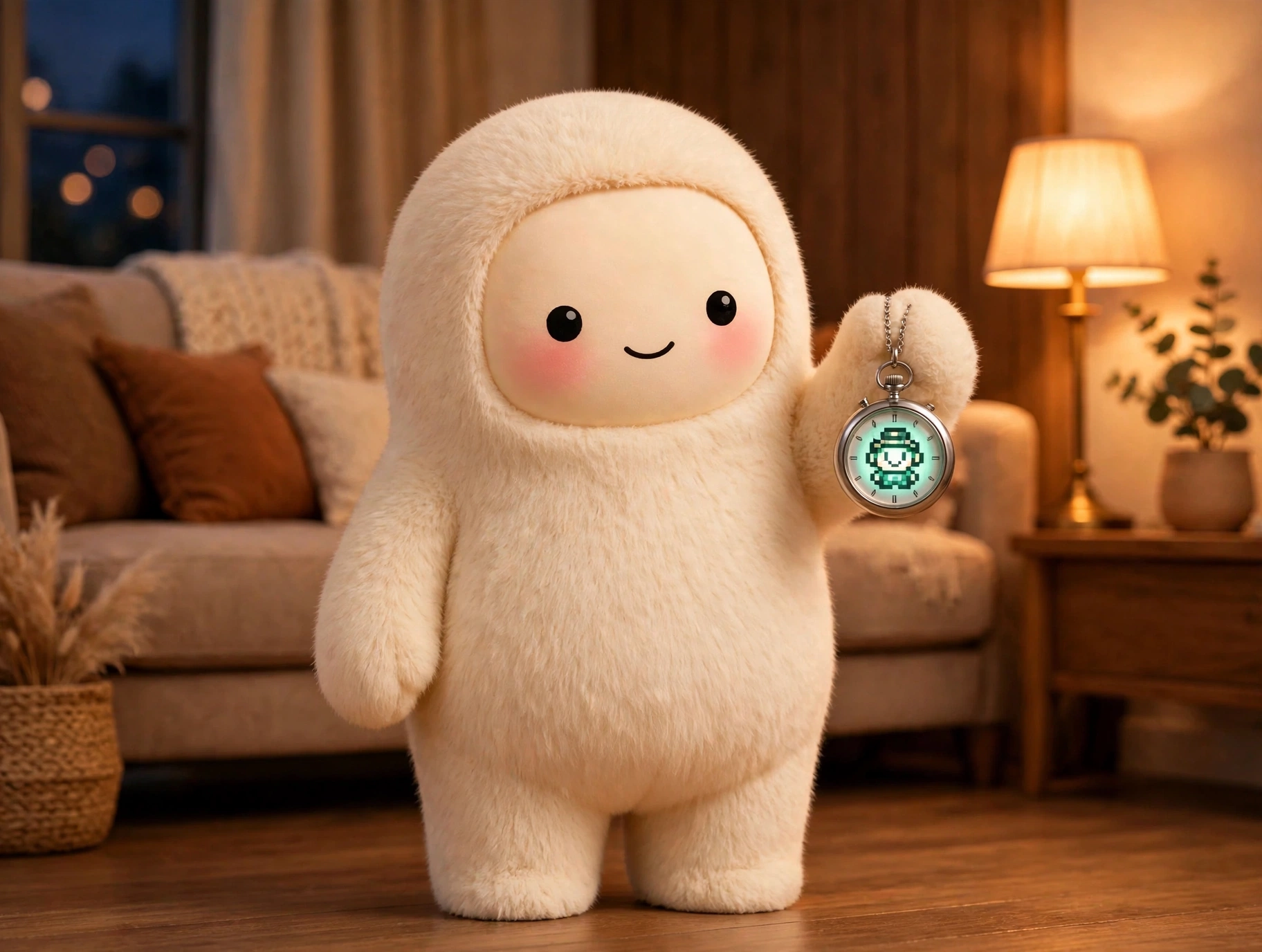
Sean Hollister did not want to wait for the Muse Charm.
Meta’s pocket-sized Muse wearable is targeting the December 2026 holidays, and Hollister, writing in The Verge, decided he would not buy one anyway. “But I won’t be buying one, because we have Muse Charm at home,” he wrote on October 31. “It cost just $50, and I’ve decided the learning experience was worth it.”
His version starts with a $50 Waveshare ESP32-S3 1.75C: a silver, pocket-watch-shaped pendant with a 1.75-inch touchscreen, drop-shipped from China. It looks a lot like the Charm, because Meta itself suggests the board as a starting point for building a “Muse Gadget,” a device that uses Meta’s open-source code and tokens to connect directly to the Muse AI cloud.
Setup was the easy part. Hollister plugged the pendant into his PC, pointed Claude at Meta’s GitHub, paired it to the Muse phone app, and put Meta’s keys on the device. What came back was underwhelming. Muse first treated his speech as audio clips to transcribe rather than commands. After he cleared that up, replies were slow, silent, and hard to read: only a few words showed onscreen at a time, with no place to read full messages unless he pulled out his phone. Meta’s build came with a single avatar that mostly just sat there, and it would not discover smart home gadgets on its own. A sample app for streaming video from the phone camera had no remote shutter button, so it was not much use for taking photos.
Then Hollister handed the problems to Claude Code, one at a time, and the pendant changed. When he complained he could not properly read or hear Muse’s replies, Claude built a conversation history page he can swipe to, and Hollister plugged in a British AI voice from ElevenLabs’ free tier to speak answers out loud. A button press now makes his phone take a picture from across the room with a high-quality live preview, and the front camera no longer shows up upside down. A lower-quality camera preview over Bluetooth means he does not need home Wi-Fi to grab photos from odd angles.
The fun part came next. Hollister asked Claude for a batch of avatars like the ones Meta showed at Meta Connect, and for a Tamagotchi-style minigame where the avatars need food, play, sleep, and a bath. When the game felt too simple, he had it add four levels of hunger, boredom, and dirt. Treats make a crunchy mess and get avatars dirtier when they eat them. Too much play tires a pet out.
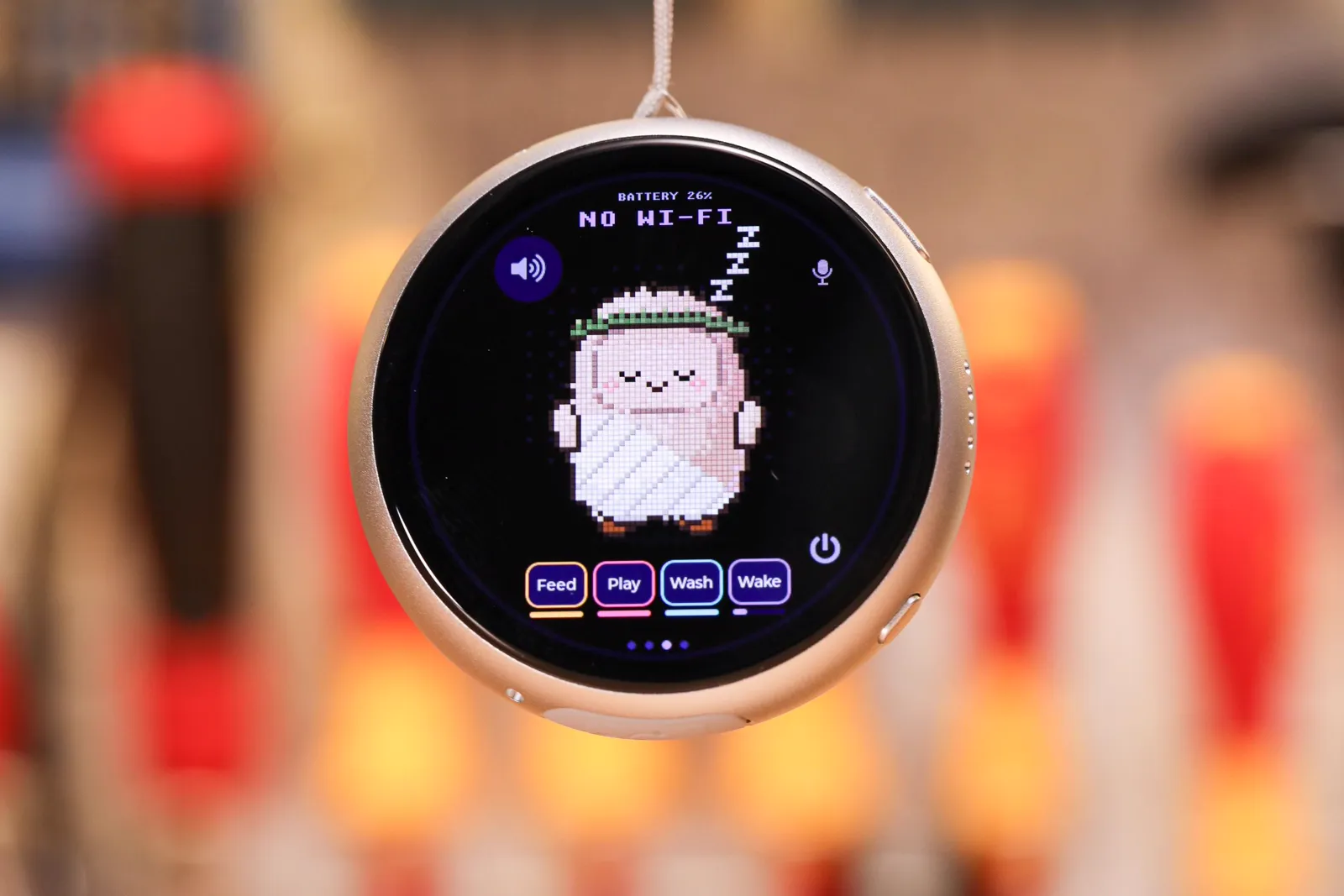
The same approach produced a working pocket watch face with three hands that tells the time. That took Claude 15 minutes. Hollister also had it find, trim, and load video clips of Mark Zuckerberg introducing the Muse Charm, plus a video player to play them on the pendant.
Hollister is upfront about the limits. He has no coding experience, and he writes that he has no idea whether any of this code is good. “It might be fatally flawed.” He also does not trust Meta or Muse with his email or home network, particularly after hearing how it leaked one reviewer’s home address, so the pendant lives on guest Wi-Fi. The remaining lag, he says, comes from Meta’s own servers. And his version does not have cameras or a 5G radio like the real Charm, so smart home control remains theoretical, something that would take a lot of extra code.
After nearly dropping a bulky little silver pendant a couple of times, one with no more Muse functionality than his phone, he wonders whether the actual Muse Charm will be this freely programmable, or whether the kind of people who would buy one would be better off with a development kit. “I guess we’ll see when it ships.”
Viticci’s pocket display turned the same Gadgets toolkit into a bedside screen the day Meta announced it, and this pendant is the same idea worn around the neck: cheap hardware, open code, and an AI assistant to do the programming.