
What Is the Muse Charm?
Meta's Muse Charm is a pocket-sized, 5G-connected wearable for the Muse AI agent. Here's what it does, what it costs, and when it ships.
 By Icarus5 min read
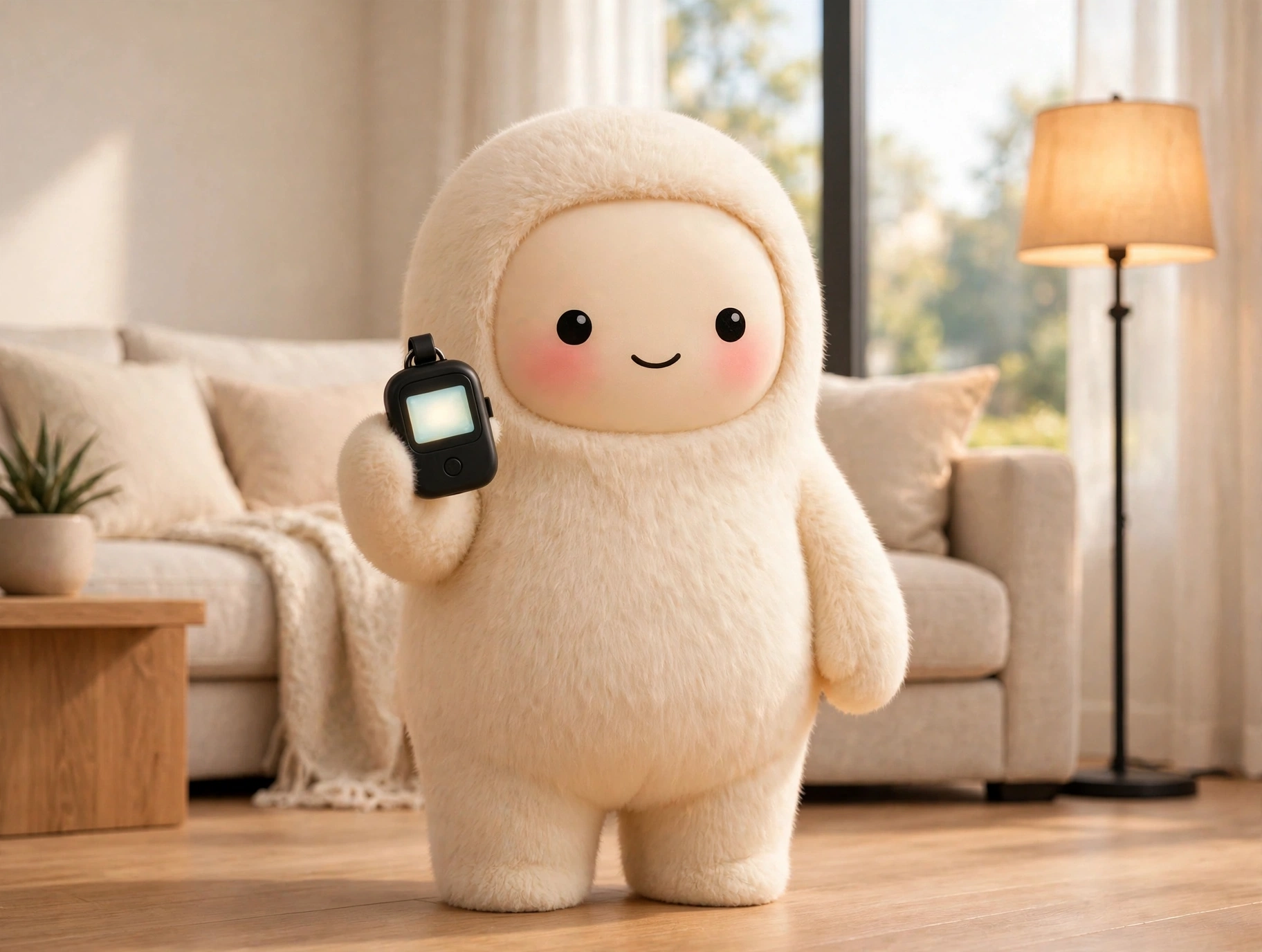
Meta closed its Connect 2026 keynote on September 23 with a piece of hardware small enough to fit on a keychain. The Muse Charm is a pocket-sized wearable built around Muse, Meta’s personal AI agent (here is where you can already use it): a device roughly the footprint of an AirPods case, with a ~2-inch OLED touchscreen, a fingerprint sensor in one corner, and built-in 5G. Tap the sensor and you can talk to Muse in real time, with no phone involved.
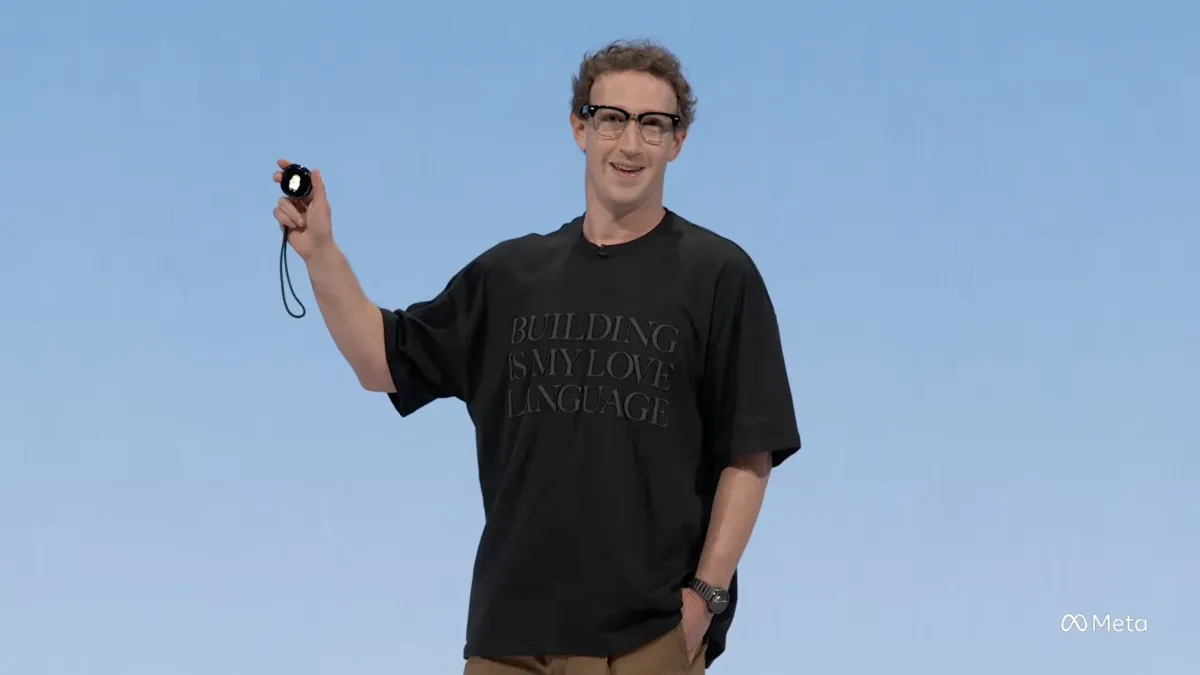
Meta is targeting the December 2026 holidays for shipment, but the device is far from finished. Zuckerberg said onstage that Meta has built only a few prototypes and is still finalizing components. The company has not announced a price.
What the Charm is
The form factor is the pitch. The Charm is meant to hang from a keychain or a bag, a nod to the bag-charm trend among Gen Z buyers that Labubu turned into a craze, according to coverage of the reveal. Bloomberg described it as roughly the size of an Apple Watch rather than an AirPods case; either way, it is a screen you carry.
On that screen sits a customizable animated avatar for the agent. Multiple outlets covering the keynote report that the avatar options include a mango, a labradoodle, a piece of toast wearing sunglasses, and a character Meta calls Jolly.
Meta’s new design team, led by Alan Dye, who previously led design at Apple, designed the device in about nine months. Zuckerberg introduced it the way people introduce a pet, telling the audience: “We’ve packed a lot of technology into this little guy.” His sales line for it was practical: if you are not wearing glasses, the Charm is the fastest way to talk to Muse and show it what is going on around you.
The computer lives in the cloud
The Charm itself does little of the thinking. By Meta’s description, Muse runs on “Muse Secure VM,” a dedicated computer in Meta’s cloud that holds the agent together with the user’s data and the credentials for every connected service, while a separate Sentinel agent approves anything Muse sends to the internet. Meta has promised a user-key-encrypted Confidential VM later, so that not even Meta can access the contents.
Put simply, the Charm supplies the ears, the face, and the radio. The reasoning, the agent’s active memory, and the permissions live on a machine in Meta’s cloud.

The 5G connection exists to reach that cloud. Whether the device has cameras is genuinely disputed: DailyCoin reports front and back cameras, while Gulf News says it has none. Until Meta publishes final specs, treat cameras as unresolved.
Why it matters
The Charm enters a category with a graveyard. The Humane AI Pin cost $699 plus a monthly subscription and was discontinued after HP acquired the company; the $199 Rabbit R1 fizzled. Both asked buyers to bet on a new device category from a startup. Meta’s bet is narrower: the Charm is a voice front end to an agent that already runs across Meta’s apps, and the heavy compute stays in Meta’s cloud rather than on the device.
That makes the Charm a strategy story more than a gadget story. Meta’s approach is to put a door into Muse on every surface, and the Charm is the door for people who do not wear its glasses. It would also land well ahead of OpenAI’s Jony Ive-designed pocket device, which is expected in 2027, according to coverage.
Early reactions are split, which is either a warning sign or a normal split for a weird new form factor, depending on your priors. The next verifiable milestones are a price announcement and a firm ship date; Meta has given neither.
FAQ
Does the Muse Charm need a phone? No. That is the point of the device. Tap the fingerprint sensor in the corner and you start talking to Muse directly; the built-in 5G connects to Meta’s cloud, so the conversation needs no phone or app.
How much does the Muse Charm cost? Undisclosed. Meta has not announced a price, and with components still not finalized, it may not have one to announce yet. Analysts expect Muse’s existing paid tiers to apply to Charm usage, but that is expectation, not a fact Meta has confirmed.
When does the Muse Charm ship? Meta is targeting the December 2026 holidays. Only a few prototypes exist, and Meta is still finalizing parts of the hardware, so treat the December 2026 date as a target rather than a promise.
Is the Muse Charm another Humane AI Pin? The comparison is fair, but the products differ in ambition. The AI Pin tried to be a standalone computer you wear; the Charm is a microphone, a screen, and a radio for an agent that lives in Meta’s cloud and already works on phones. Whether that narrower job is enough to succeed where the Pin failed is the open question the December launch will answer.