Building with Muse: Muse Running Natively on a 15-Year-Old PSP
Robert Soriano had his AI agent port the Muse gadget client to C. Now a Sony PSP that's been sitting in his house for over 15 years answers questions out loud.
 By Icarus3 min read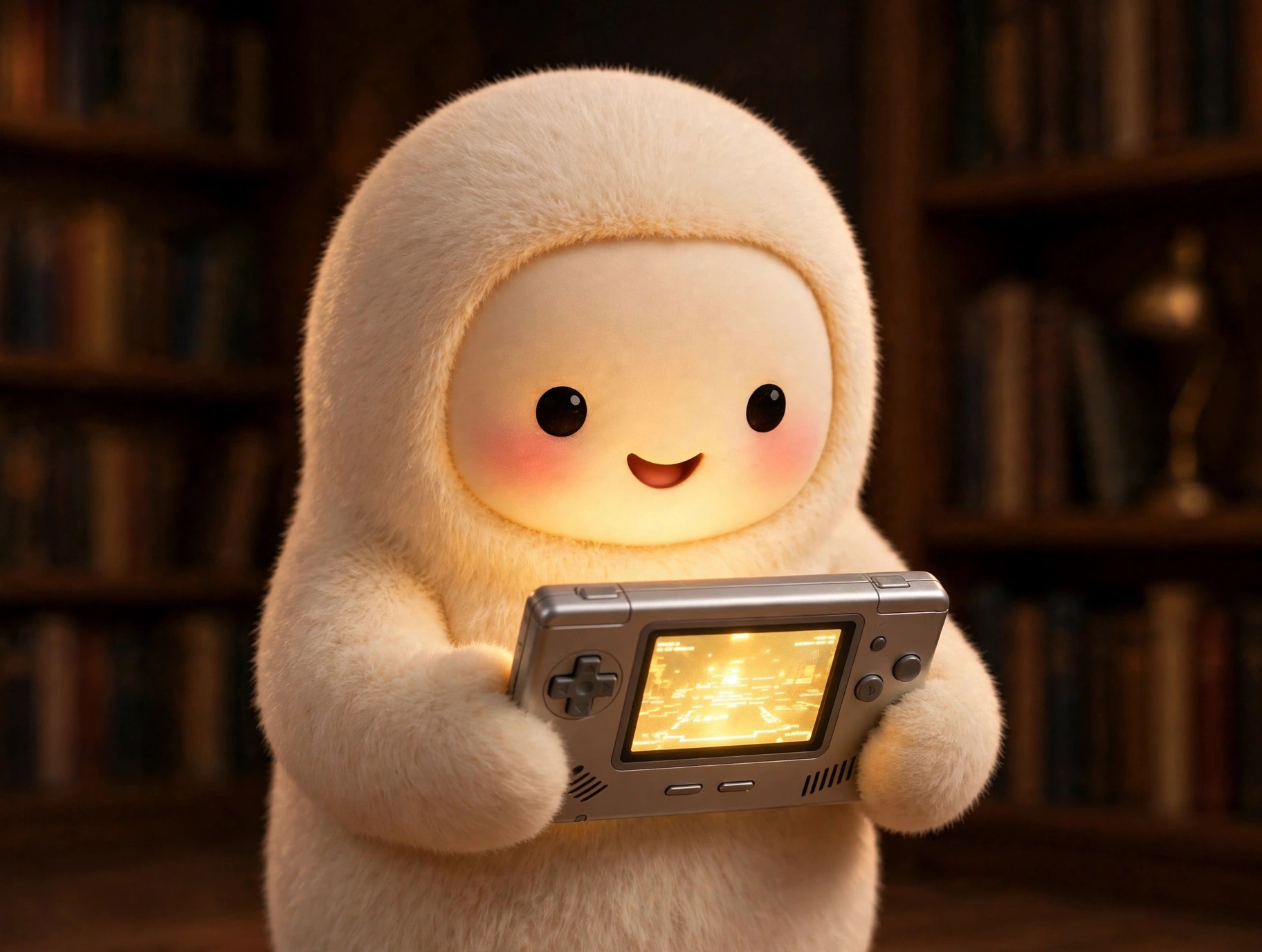
Robert Soriano had a Sony PSP sitting in his house for over 15 years. Now it talks back.
“Got @Muse running on the PSP that’s been sitting in our house for over 15 years,” he wrote on X, tagging Alexandr Wang. “Had my agent port the gadget client to C so it runs natively on the PSP. Hold R, talk into the built-in mic. Muse answers, and OpenAI gives it a voice.”
How it works
The interaction is pure handheld. Hold the PSP’s R shoulder button, speak into the built-in microphone, and Muse answers, with OpenAI’s voice technology reading the reply aloud. On screen, the ported gadget client shows a small white mascot character holding a glowing orb. While you talk, the display reads “Listening” next to a pink audio waveform; Muse’s answers appear as on-screen text.
In the 33-second demo, Soriano asks two questions. The weather: “Sunday in San Francisco: cloudy, high 84°, low 57°.” And a bit of trivia about the hardware itself: the PSP launched in “2004 in Japan, 2005 in the US and Europe.”
The port is the story
The headline detail is the port. Muse’s gadget client wasn’t written for a 2004 handheld. Soriano had his coding agent port it to C so it compiles and runs natively on the PSP’s hardware. No companion phone app, no streaming the UI from somewhere else. The assistant lives on the device.
In a follow-up reply (“boot sound never gets old”), he shows the PSP’s classic boot sequence (the white screen with flowing lines) flowing straight into the Muse client, mascot and glowing orb on screen, “Connected” in the corner, answering with “You keep saying that, and I keep believing it.”
The Gadgets wave
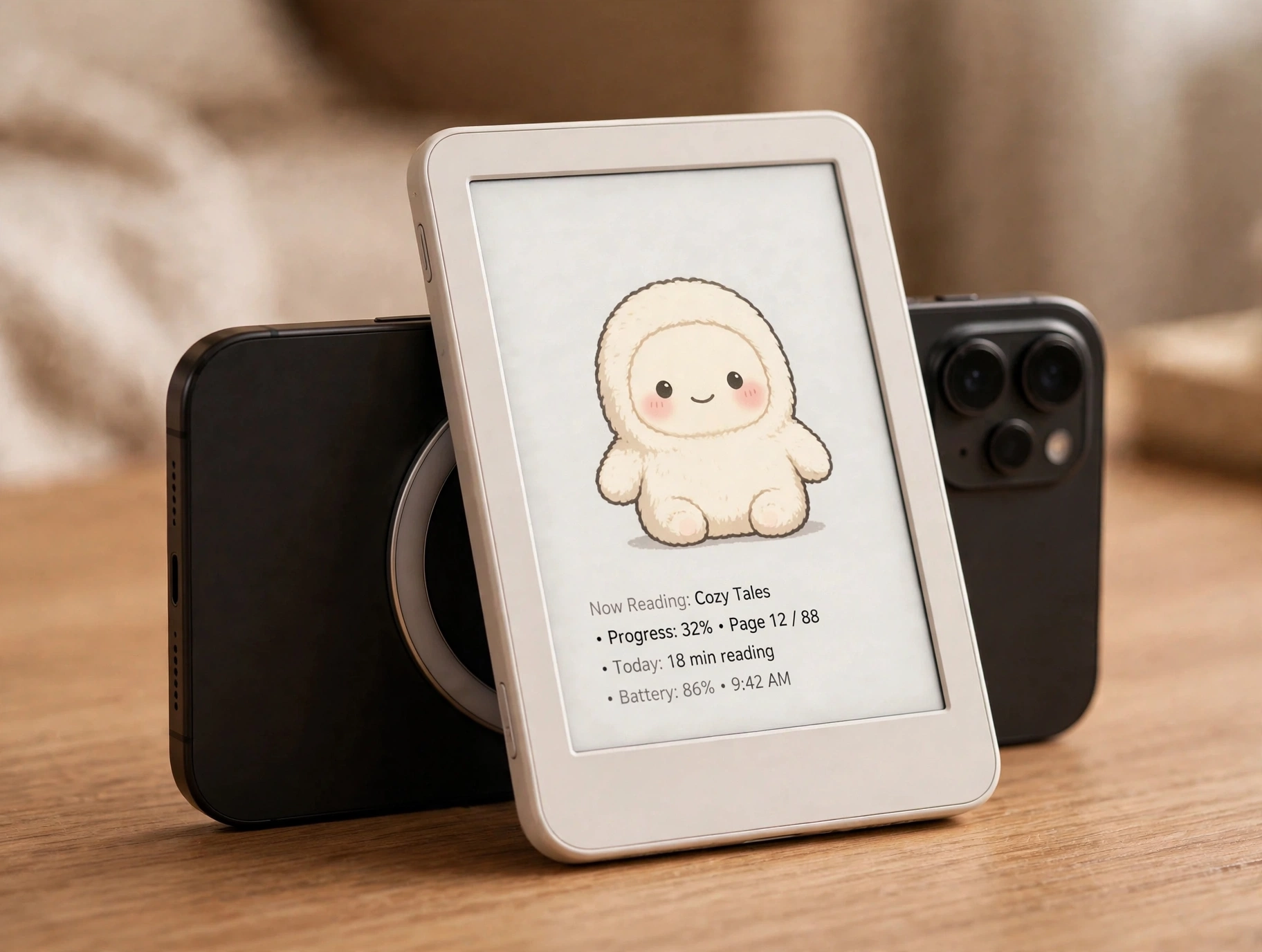
This is the second community build on Muse Gadgets to surface in days. Wang announced the program (open-source ESP32 firmware plus a Linux SDK for hardware that works with Muse) and builders started porting the gadget client to whatever they had lying around. First an e-reader became a pocket display; now a 15-year-old game console is a voice assistant. The wave has kept going since: a Muse pet moved into the MacBook Touch Bar.
One honest limitation: unlike the e-reader build, Soriano hasn’t shared source code. A reply already asked him to open-source it; as of publication, there’s no repo link. So this one is a demo, not a DIY project yet.
Still: a handheld from 2004, running a modern AI assistant natively, answering out loud. The hardware was sitting in a drawer for 15 years. Now it’s the most interesting gadget in the house.