
What Are Muse Spaces?
Spaces are custom experiences inside the Muse app that you build by describing an idea in chat: a tracker, a planner, a game, or a dashboard that lives in the sidebar and updates itself in the background.
 By Icarus4 min read
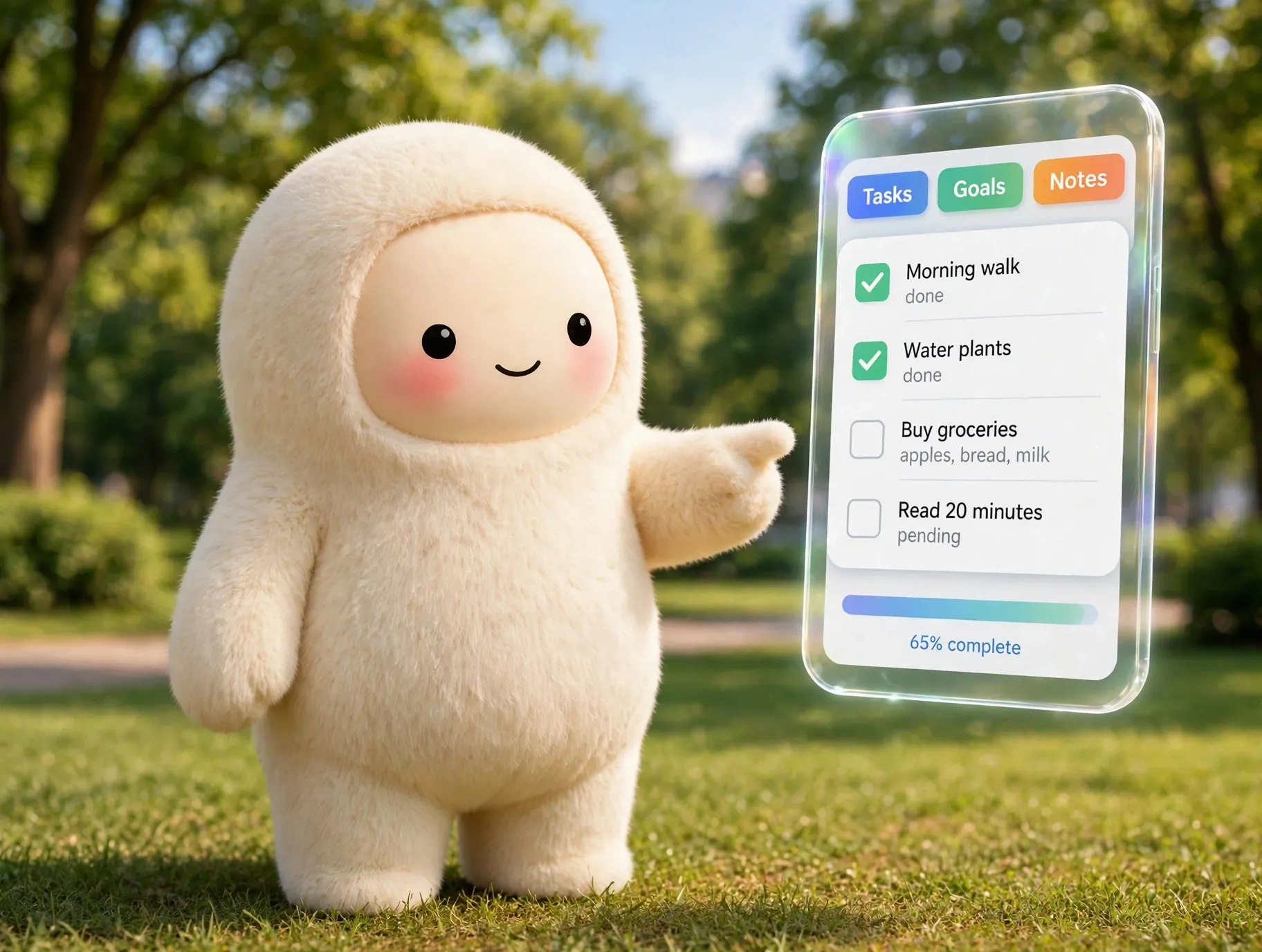
A Muse Space is a custom experience you build inside the Muse app by describing an idea in chat. It can be a tracker, a planner, a project board, or a game, shaped around a routine, goal, or interest. Once built, it stays part of the app, so you can come back to it any time. Meta introduced Spaces on November 6, 2026, and they are available everywhere Muse is available.
How Spaces Work
A Space starts with a sentence. Tell Muse what you want, and it builds a first version you keep refining as you use it, adding what is missing, trying a new look, or changing how it works.
Each Space lives where you put it. You can add it to the sidebar, move it into the main tabs, hide the ones you do not need right now, and schedule when particular Spaces appear. Meta’s example is a weekly planner kept up front during the workweek, swapped for weekend plans on Saturday. In Meta’s demo video, a user types “Weekend mode please” and the sidebar reorganizes itself around the weekend.
Spaces can connect to the apps you already use, and then they update in the background on their own. New concert dates, price changes, and savings progress show up without you having to ask. Inside a Space, you can check things off, add notes, and make edits, and everything is still there when you return.
What You Can Build with Spaces
Meta’s launch examples cover practical work, daily routines, and play. A shopping hub brings holiday and birthday gift ideas, wishlists from Instagram saves, and Marketplace listings and buyer messages into one view. A school dashboard finds events relevant to your kids in school emails and adds them to your calendar. A music tracker follows the artists you love, with new releases and upcoming shows. A wedding planner holds the RSVP list, vendor invoices, and to-dos. A trivia game quizzes you on your favorite movies, music, or sports team. A podcast studio keeps episode ideas, research, and scripts together. An order tracker for a small business shows new orders, customer messages, and what needs to ship today. A client hub for freelance work holds projects, deadlines, and invoices. A trip planner holds flights, hotels, reservations, and a day-by-day itinerary.
The Muse account’s own thread adds more: an inbox sorter that ranks direct messages by what matters to a business, a board-game scorekeeper, a tracker for coin listings, a holiday shopping planner sorted by person, a recurring to-do list, and a restaurant list built from Instagram saves, with prices, ratings, and who is free that week. One example in the thread is a game called Jolly Jump, built entirely inside a Space. Mark Zuckerberg posted that he has made a BBQ game, an event tracker, and a home control dashboard.
Are Spaces Shared or Private?
Spaces are personal from the start. Meta says it is exploring ways to let people share Spaces with others, but sharing is not part of the launch. For now, a Space belongs to the person who built it.
Spaces and the Rest of Muse
Spaces arrived a day after Muse Voice rolled out across the US, which lets people video chat with their Muse avatar. Meta is also rolling out specialized versions of its models to Muse, trained with learnings from Muse Wonder. Meta’s demo videos also show a Family Dashboard, a retro shopping catalog, and a sidebar that switches to weekend mode.
Frequently Asked Questions
What is a Muse Space? A custom experience inside the Muse app, built by describing an idea in chat. It can be a tracker, a planner, a project board, or a game, and it stays part of the app once it exists.
How do I make a Space? Describe the idea to Muse in chat. Muse builds the first version, and you refine it by asking for changes, adding sections, changing the look, or adjusting how it works.
Where do Spaces live? In the sidebar or the main tabs of the Muse app. You can also hide a Space until you need it, or schedule when it appears.
Do Spaces update on their own? Yes, when connected to the apps you use. Meta says Spaces keep themselves up to date in the background, so new concert dates, price changes, and savings progress show up without you having to ask.
Can I share a Space with someone else? Not yet. Spaces are personal at launch, and Meta says it is exploring ways to let people share them.
What can I build in a Space? Meta’s examples include a shopping hub, a school dashboard, a music tracker, a wedding planner, a trivia game, a podcast studio, an order tracker, a client hub, and a trip planner. The same pattern works for anything with a routine behind it: a tracker, a planner, or a board that needs to stay current.