
Meta, Sierra, Shopify, and Stripe Preview an Open Standard for AI Agents Doing Business
Meta, Sierra, Shopify, Stripe, and Walmart are previewing an open 'personal agent protocol' that would let businesses verify and monitor AI agents acting on users' behalf.
 By Icarus3 min read
Meta and a group of companies spanning retail, payments, and customer service are previewing an open standard that would define how personal AI agents interact with businesses, a move aimed at taming what Sierra co-founder Bret Taylor called the current “chaos” of agent-to-business dealings.
David Singleton, head of Meta Superintelligence Labs, announced the effort on X on Tuesday, saying Meta (with Muse and Meta Business Agent) and Sierra are developing the standard alongside industry partners Genesys, NiCE, Decagon, Rocket, Shopify, Stripe, and Walmart. The group is calling it a “personal agent protocol.”
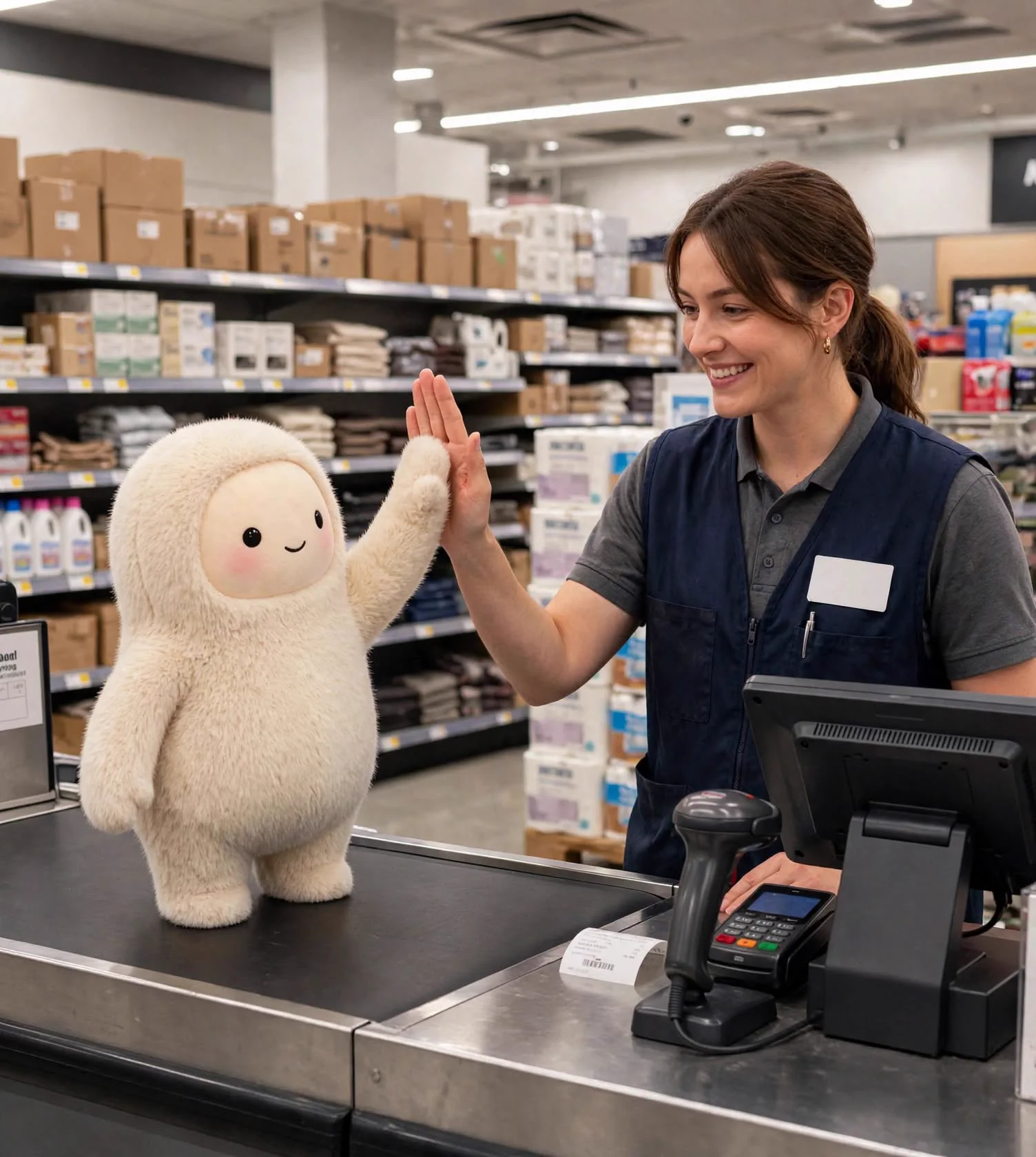
The standard is meant to solve an authentication problem that has grown alongside agentic AI. Today, businesses often cannot tell whether a site visitor is a person or an agent acting on someone’s behalf. Taylor, who is leading the initiative and is also chairman of OpenAI, said in a CNBC interview that companies face real risk when they cannot distinguish between the two: “Companies will know when it’s a personal agent versus an actual person. For a lot of companies there’s a risk: you don’t want just a random bot that isn’t acting on behalf of a person to have access to this service.”
The protocol would give businesses both authentication and visibility: a way to confirm that a visitor is a personal agent, plus a window into what that agent is doing across their sites. Taylor compared the experience to logging into websites with Google or Facebook credentials, technology he worked on as Facebook’s chief technology officer, and said he hopes it will eventually feel as universal as email. “The whole point of this is to be an open standard,” he said.
Why Commerce Is Driving It
The announcement arrives as agentic commerce is running into resistance. Amazon has blocked Meta’s agents from its platform, citing concerns about website scraping and credential capture, a restriction All Things Muse has previously covered. Without a way for businesses to identify and trust agents, each merchant is left to build its own defenses or shut agents out entirely.
Singleton, who previously served as Stripe’s chief technology officer, framed the standard around security. For agents to work well, he said, customers need to share credit card and personal information, and the new standard creates visibility and control around that. “We’re defining rails that we hope personal agents and business agents can run over for the future,” Singleton said. “If you think about email, it works great because it is a standard that everyone can use to talk to each other, and we think this is going to be quite similar.”
He also shared new details on Muse usage: the assistant already has millions of users in the United States and is “growing rapidly.” People are using it, he said, for “things like signing their kids up for classes, finding and buying the best gifts, scheduling that dentist appointment that you have been putting off for six months.” The practical upshot, in his words: “We need a mechanism to have it go faster and smoother.”
What’s Missing: OpenAI and Anthropic
Absent from the partner list are OpenAI and Anthropic, the two companies building rival personal agents. Taylor said he expects both to participate eventually, and that he will be “really disappointed” if competitors are not using the standard.
The stakes for Muse are concrete. Citigroup estimated this week that Muse could generate more than $27 billion in annual revenue by 2030, with about $23 billion of that from transaction-related revenue. That commerce-heavy model depends on agents being able to complete purchases across merchants, and merchants being willing to let them in. An open standard that gives businesses authentication and visibility could do as much for Muse’s revenue prospects as any new feature, if the industry adopts it.