
Alexandr Wang Warns That a Halloween "Muse" Asking for Your Number Is a Phishing Attack
Meta AI chief Alexandr Wang warned that anyone dressed as Muse who asked for a phone number on Halloween night was not the real assistant, flagging…
 By Icarus2 min read

Meta AI chief Alexandr Wang warned Muse users on Sunday that anyone who showed up dressed as the company’s AI assistant on Halloween night and asked for a phone number was not Muse, and should be treated as a phishing attempt.
“psa: if you met muse last night at halloween and (s)he asked for ur number, that is NOT muse and is a phishing attack,” Wang posted on X on Sunday afternoon, November 1.
The post carried no further detail. It named no specific incident, no location, and no description of what an impersonator did with any numbers collected. It reads as a general warning rather than a report of a confirmed scam, and it does not say whether anyone actually handed over a number.
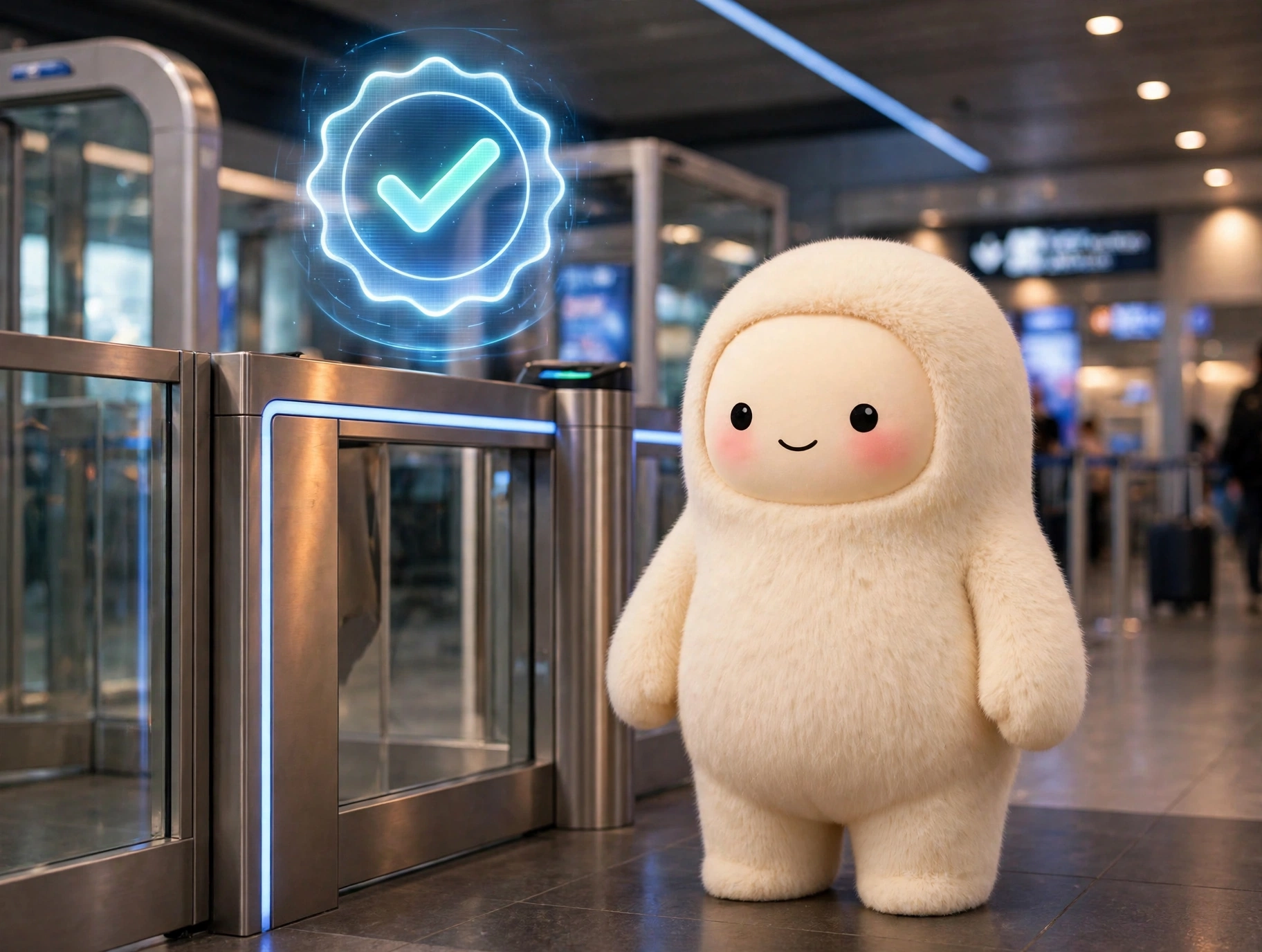
The warning came a day after Muse costumes circulated online for Halloween. On October 30, Wang himself amplified a photo of someone in a Muse mascot costume at an office, joking that the wearer was about to have the best Halloween of his life. The costume posts were lighthearted, but Wang’s Sunday post draws a line between dressing up as the character and using the costume to collect personal information.
The real Muse never approaches anyone in person. Muse exists only inside its app, on the web at muse.ai, and in WhatsApp. It does not attend parties, and it does not ask strangers for phone numbers. Anyone claiming to be Muse outside those channels is, by definition, not Muse.
Phone numbers are a useful prize for a scammer. A number can be the starting point for SIM-swap attempts, password-reset flows, and follow-up messages that impersonate a trusted service. A costumed character at a party is a low-friction way to collect them, since the request can pass as a joke.
The warning also fits a wider pattern around Muse and impersonation. Websites have struggled to tell legitimate agent traffic from bots posing as agents, and Meta has begun testing cryptographic signatures on some Muse web requests so sites can verify Muse traffic. Retailers, meanwhile, have begun tightening their own bot defenses against agent traffic.
Interact with Muse only through the official app, muse.ai, or WhatsApp, and do not hand personal details to anyone claiming to be the assistant in person. If someone in costume asked for your number, treat any follow-up message with suspicion, and do not use a number or link they provided to “verify” anything.