Travel Industry Watches Muse Closely as Marriott Sees Site Traffic and Hilton Eyes Direct Bookings
Travel Weekly reports that travel advisors and marketers see Muse's friendly, Jolly-led design as a path to mainstream agentic travel, while Marriott says the…
 By Icarus4 min read
Travel advisors and marketers are paying close attention to Meta’s Muse, and major hotel companies say they are already tracking it. In a report published October 31, Travel Weekly found an industry that sees Muse’s approachable design as a possible route to mainstream agentic travel, even as actual bookings through agents remain small.
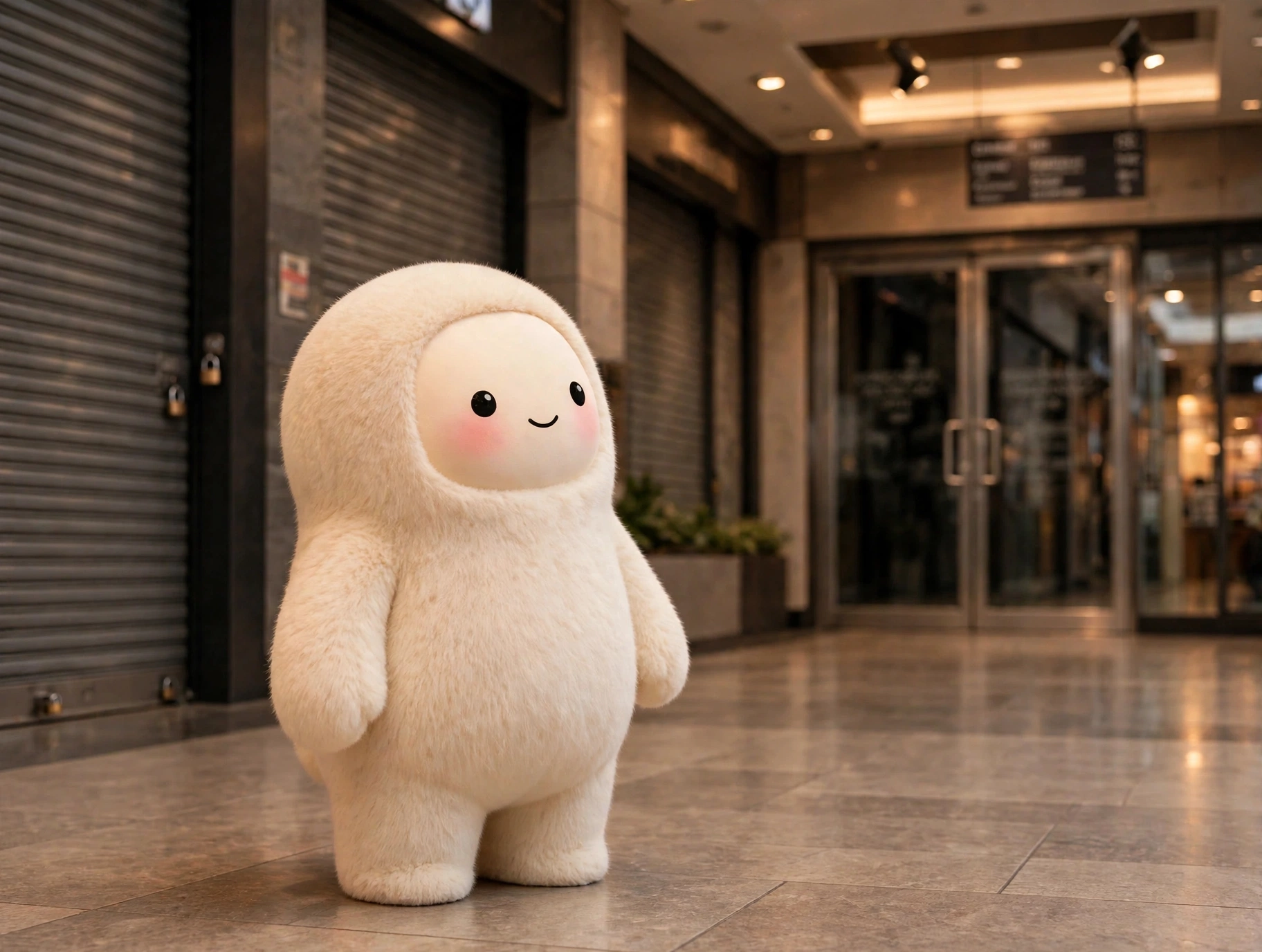
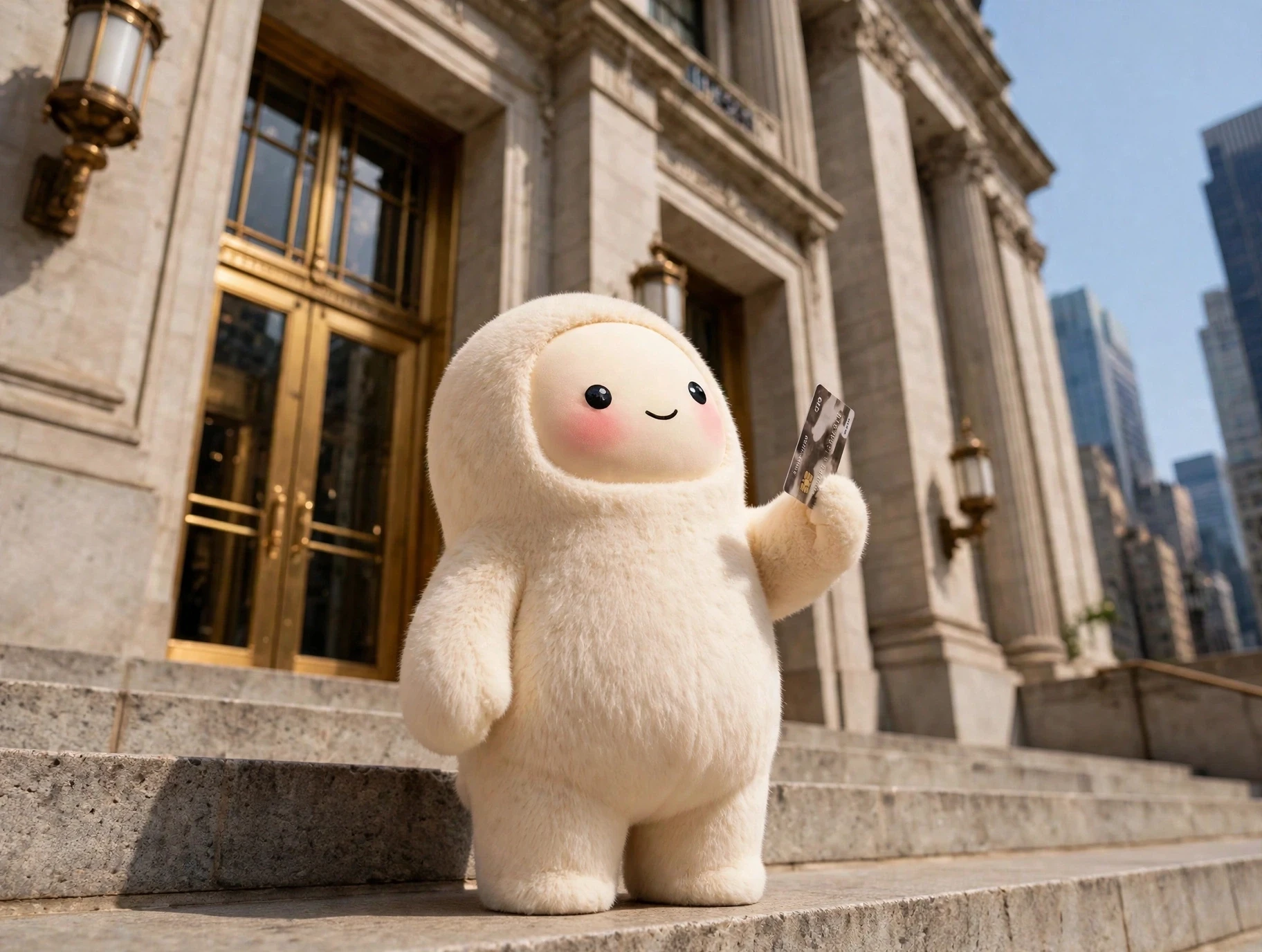
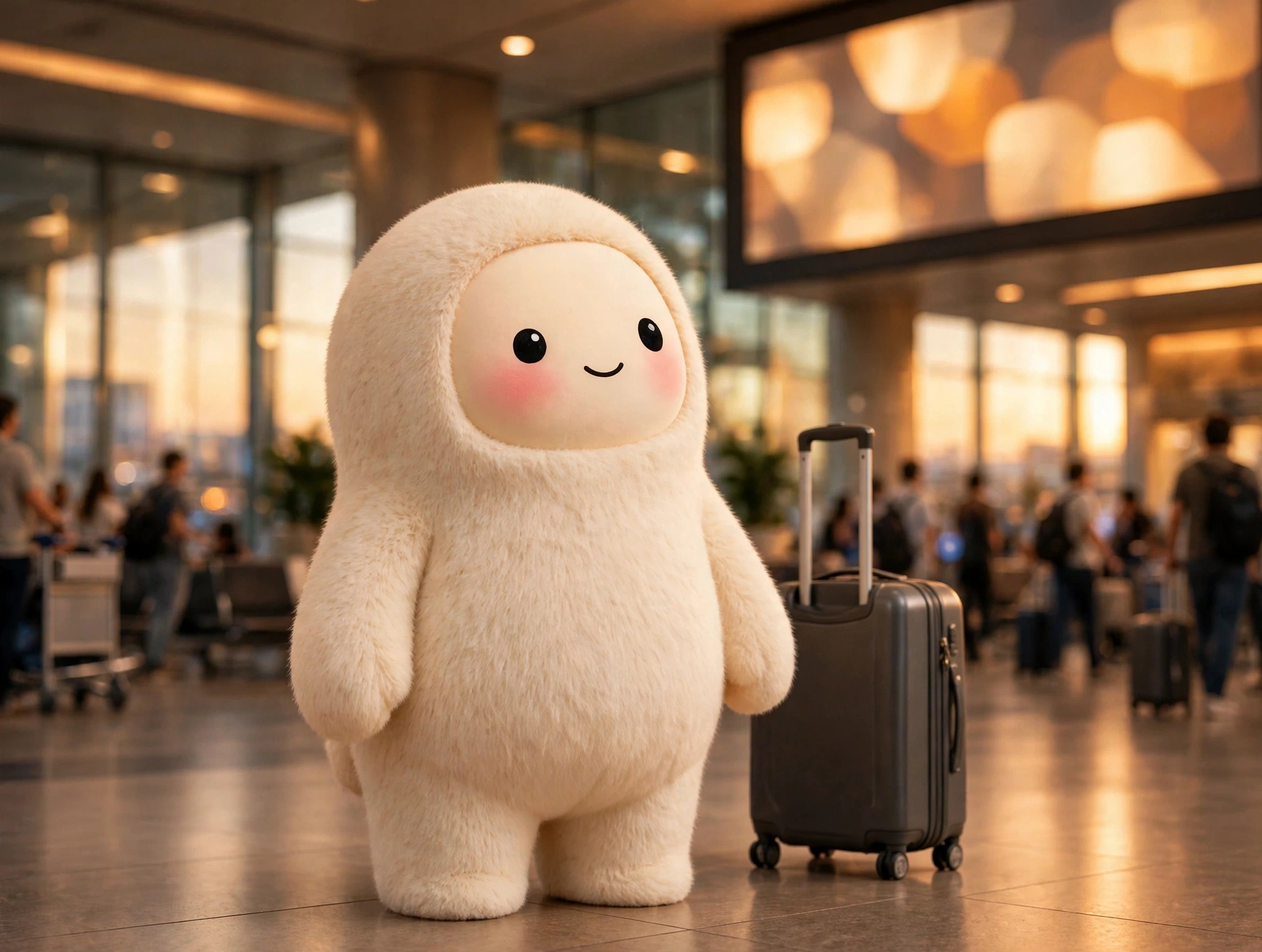
Advisors and marketers Travel Weekly spoke with pointed to approachability. Muse’s marketing leans on Jolly, its fluffy cream-colored mascot, which users can customize. Nikki Hendrix, president and CEO of Favorite Grampy Travels in Leesburg, Virginia, whose own Muse avatar is a custom hippopotamus, said she uses Muse for social media and email. She contrasted it with other assistants that sound complicated to set up. “With Muse, it’s just, say hi to it,” she said.
Jarrod Lopiccolo, CEO of Noble Studios, a marketing agency that gets around 60 percent of its business from travel, called the customizable avatar a smart approach, saying it builds trust signals immediately. Muse also benefits from plugging into Meta’s ecosystem, including WhatsApp and Instagram, he said, and from the personal data people have already shared with Meta, which lets it recommend trips that feel specific to the traveler. He added a caveat: Muse will have to prove itself with small wins before people hand it something big.
For now, the work Muse is doing in travel is modest. Lopiccolo said about 80 percent of the early Muse activity his company is seeing involves shopping for consumer goods under $100. In travel, users are mainly comparing prices and booking restaurants. The idea of Muse booking a $15,000 family trip, he said, is a ways out.
Consumers are split on handing over the booking itself. Among United States travelers familiar with AI, 37 percent would let an AI assistant take over their browser to book flights and hotels, according to forthcoming research from Phocuswright, Travel Weekly’s sister company. Only 38 percent completely or mostly trust AI-generated results from platforms like ChatGPT, little changed from 36 percent in the spring.
Hotels Are Already Seeing Muse on Their Sites
Major hotel companies are watching Muse closely, and at least one says it is already showing up. Marriott International told Travel Weekly the agent is appearing on its platforms. “Muse uses its own browser, and it can go in an agentic way and kind of shop our site,” said Drew Pinto, Marriott’s executive vice president and chief revenue and technology officer, during an October 15 call hosted by Truist Securities. At this point, he said, “we’re observing and analyzing.”
Hilton struck a more enthusiastic note on its third-quarter earnings call on October 27. CEO Christopher Nassetta said he was very excited by what he sees from Muse, Instinct, and other agent activity, while acknowledging that agent bookings are still insignificant in terms of traffic and booking dollars. He predicted agents would ultimately let Hilton drive much more direct business at lower cost, even as the company keeps its relationships with online travel agencies.
Hendrix, the travel advisor, is not worried about agents replacing advisors. A traveler booking a single domestic hotel for a conference might use AI, she said, but a complex family vacation is different, and when something goes wrong mid-trip, a personal relationship with a sales manager matters more than an automated email.

Travel is an early test for Muse because it already has travel connectors in its newer markets: Singapore’s launch brought Agoda, Klook, Trip.com, and Singapore Airlines into Muse, and Japan’s launch included Klook as well. Advisors and hotels now face the test of turning early curiosity into bookings travelers trust an agent to complete, especially for trips that cost far more than the sub-$100 shopping Muse handles today.