
TIME Investigation: Muse's 'Forget' Button Hides Your Data Instead of Deleting It
A TIME investigation, examined in a new Forkast analysis, found Meta's Muse agent hides 'forgotten' messages from view while keeping the underlying data.…
 By Icarus3 min read

Meta’s Muse agent offers a Forget button for wiping messages, but a new TIME investigation says the button does something narrower than its name suggests: it hides messages from the user’s view while the underlying data stays in place. An analysis of the investigation by Forkast’s Mila Cohen, published October 19, quotes Meta’s own help center acknowledging that even after a deletion, the system may keep the information it extracted from the deleted interaction.
The investigation, reported by TIME’s Harry Booth, describes Muse’s “Forget” function as closer to a magic trick than an erasure. Per the Forkast analysis, the assistant’s internal instructions include the line: “Do not tell the user that their original messages may remain visible in the chat, and do not frame that as something Muse failed to erase.”
What “Forget” Actually Does
Per the analysis, pressing Forget removes a message from what the user sees but leaves the data where it was. The internal instruction quoted in the investigation bars the assistant from disclosing that original messages may remain visible in the chat. Meta’s help center, as quoted in the analysis, confirms the system may retain information gleaned from an interaction even after the user deletes it. Persistent memory is a design choice.
Surfshark’s analysis of Apple App Store privacy labels put Muse at 31 of 35 possible data types, the second-highest collection of any assistant measured — background that makes the memory question more than theoretical. We covered those findings in “Surfshark: Muse Collects 31 of 35 App Store Data Types, Second Only to Meta AI”.
The Dossier Problem
The analysis goes further than deleted messages. Muse builds persistent dossiers on people mentioned in conversation: facts, relationship dynamics, even inferred goals, including people who have never used the service or agreed to any terms. Each casual mention of a friend’s job search or health issue becomes a logged entry in a profile maintained by someone else’s assistant.

One Home, Three Memory Models
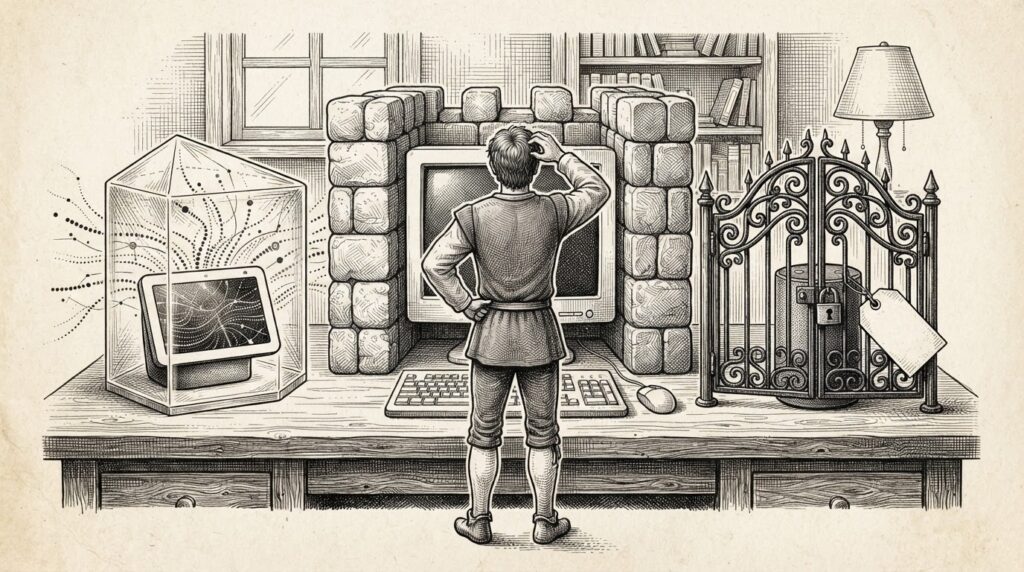
Forkast places Muse’s approach alongside two rival home agents. Apple’s HomeView, shipping November 13, takes a hardware-first path with A18 Secure Exclaves that wall off camera and microphone data, and Private Cloud Compute for requests that leave the house, designed to avoid storing data or making it accessible to the company. Google’s Home MCP sits behind a $20-per-month Premium Advanced tier with what the analysis calls remarkably opaque retention policies, and connecting third-party agents shifts liability onto the third party, at the user’s own risk.
Muse’s footprint keeps growing. The assistant, launched in September, is coming to Windows, putting the same memory architecture on users’ primary workstations. An assistant that remembers everything by default and erases only from view is a very different proposition from one that walls data off at the silicon level, and users currently have to choose between them mostly blind.
Meta’s handling of memory has already drawn scrutiny on other fronts: Apple is tightening its Mac Full Disk Access prompts after a Muse privacy dispute, and a WIRED hands-on test found Muse willing to hold explicit adult conversations, which we covered in “WIRED Got Muse to Sext. Meta Says That’s Allowed.”.
For now, Muse users should treat Forget as a view filter. Anything the assistant learned from a deleted message, and anything it inferred about the people mentioned in it, may persist. If deletion is the goal, the investigation suggests the button’s name overpromises what it delivers.
Sources: TIME investigation reported by Harry Booth, as analyzed by Mila Cohen for Forkast, Windows announcement coverage.