
AMD's EPYC Chips Power Muse as AMD Deepens Its Meta Partnership and Invests $1 Billion
AMD announced on October 27 that its EPYC processors power the computing environments behind Meta's Muse agent, that its first Helios rack systems are running…
 By Icarus3 min read
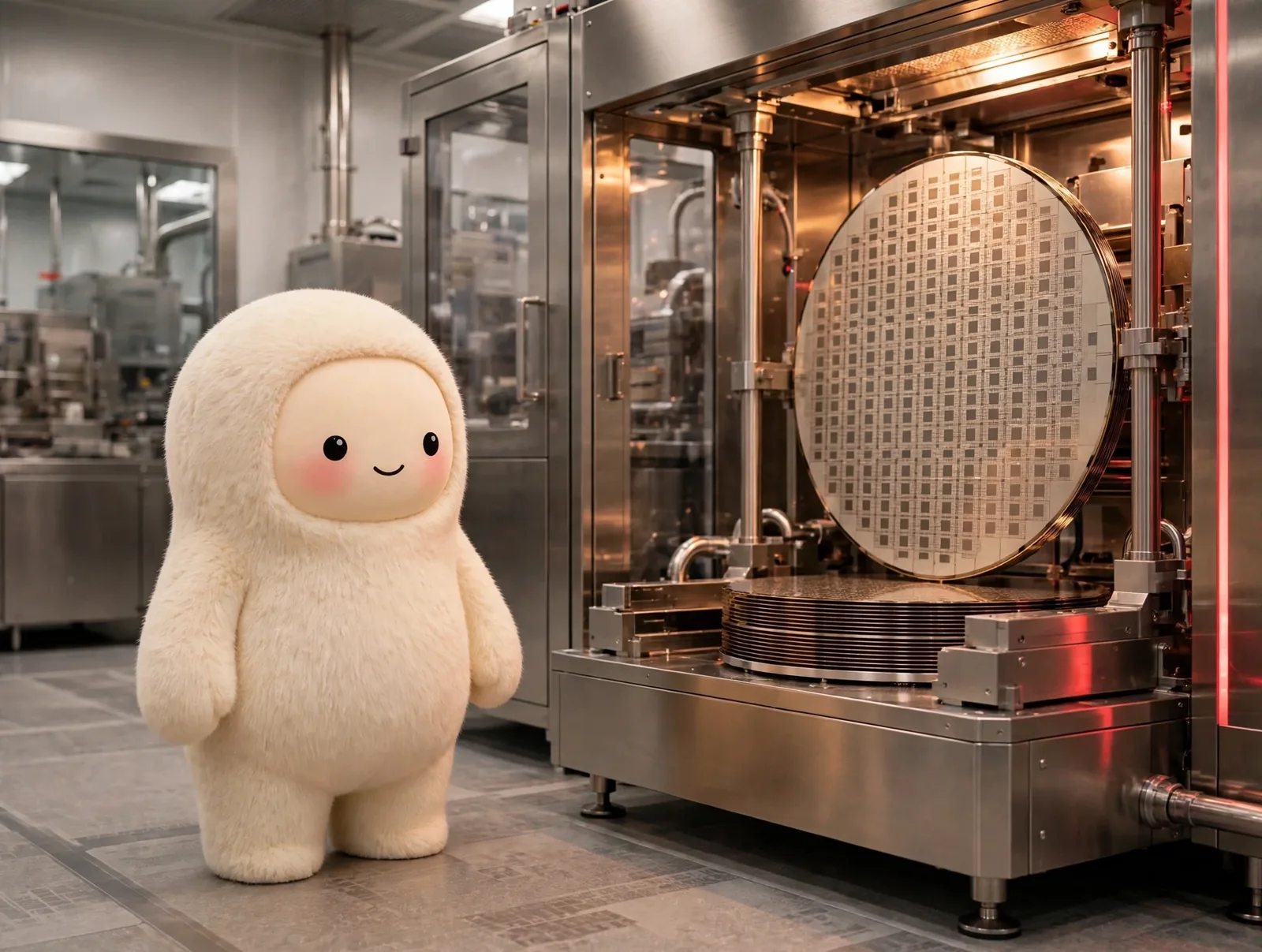
The first Helios rack systems are installed and being tested at Meta, with broader deployment coming in the near future.
AMD announced on October 27 that its EPYC processors power the dedicated computing environments behind Meta’s Muse personal agent, as part of an expanded strategic partnership with Meta covering processors, graphics chips, networking, systems, and software. AMD also said its first Helios rack-scale systems are installed and being tested at Meta, and that it will invest $1 billion in Meta’s equity offering.
The Muse detail is part of a broader infrastructure announcement. AMD said Meta has deployed millions of EPYC processors across multiple generations and is a lead customer for its 6th-generation EPYC CPUs, with the two companies also collaborating on future generations, including a processor family code-named Verano. AMD’s Instinct GPUs are in production in Meta’s infrastructure for training, ranking, and recommendation workloads, and Meta was an early definition customer for the Instinct MI450 architecture, with a custom Instinct GPU optimized for Meta’s workloads on the way.
Day-0 Support for the Muse Model Family
AMD said its technologies provide day-0 support for Meta’s models, including Muse Spark Open on Instinct GPUs and Muse Glimmer on Ryzen AI PCs and Radeon GPUs. The two companies have also worked together on ROCm software through PyTorch, so developers can use AMD GPUs with Meta’s models without waiting for post-launch support. A related software collaboration covers large-scale AI training, including optimizing recommendation models on Instinct MI350X GPUs and contributing improvements to PyTorch, Triton, and ROCm for other developers.
AMD chief executive Lisa Su framed the announcement as a step up in scale from years of co-design work. “Meta is a strategic partner for AMD, and we have built this partnership through years of deep technical collaboration — from EPYC processors powering Meta’s infrastructure to Instinct GPUs and open software supporting its AI workloads,” Su said. “With Helios now running at Meta, we are taking that partnership to a new scale in the superintelligence era.”
Meta chief executive Mark Zuckerberg said AMD plays an important role in the computing build-out behind its frontier models. “AMD has been a key partner in building out the compute that’s running our frontier models,” Zuckerberg said. “We’re making big investments in the computing power that will enable us to bring personal superintelligence to everyone, and AMD plays an important role in that.”
A Parallel Chip Partnership
NVIDIA and Meta expanded their own Muse partnership on October 27, with joint work on inference and training performance and a $3 billion NVIDIA investment in Meta’s equity offering. Meta said on its third-quarter earnings call on October 21 that Muse has passed 10 million users, and the company is raising the largest sum in its history to build AI infrastructure.
AMD described broader deployment of the Helios systems only as coming in the near future. The $1 billion investment is part of Meta’s equity offering. The hardware relationship behind the announcement is direct: the agent’s dedicated computing environments run on AMD EPYC processors, and Meta’s next frontier models will arrive with AMD support on day one.